
Why Protein Water Beats Traditional Protein Shakes
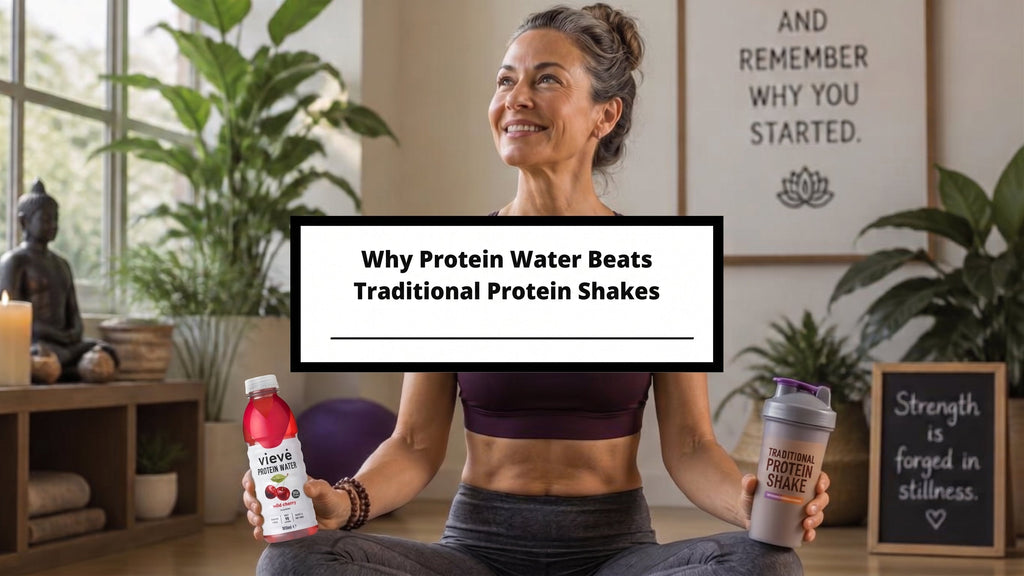
Chances are, you have been through the ritual. You scoop chalky powder into a shaker, add water or milk, shake it aggressively, then do your best to drink something that smells faintly of a gym bag and tastes like artificial vanilla mixed with regret. The traditional protein shake has long been the go-to for anyone serious about their nutrition. But the scene is changing, and protein water is quietly taking over—not through hard sell marketing, but through something far more convincing: it actually works better in most people’s daily lives.
In case you missed it, brands like Vieve are changing the game for what a hydrating protein drink can be – light, refreshing, actually tasty, and packing 20g of protein per bottle, zero sugar, and zero carbs. Once you’ve tried a thick, heavy shake, it feels like a step backwards. Here’s a nice breakdown of why:

The Heaviness Problem Nobody Talks About
If you ask anyone who’s been drinking protein shakes regularly what they hate most, heaviness will almost always come up. Old-school whey protein shakes are thick, and that thickness causes real problems:
- Made with milk: One serving can be 200 to 300 calories before you even start eating.
- Made with water: The texture is often gritty, the taste is hollow, and the experience is generally unpleasant enough to put people off altogether. Calories tend to be <100.
Why This Leads to Skipping Protein Altogether
The consequence is real. People skip their protein intake because the shake feels like a chore. They have it after a workout, straight, because that’s the only time they feel justified, then ignore it the rest of the day. This inconsistency is one of the main reasons people don’t meet their protein targets, despite having a product in their cupboard.
What Makes Protein Water Different
Protein water, by contrast, feels light — nothing like the dense, chalky shakes you might be used to. It goes down like water – easily, readily, and without any feeling of obligation. It might seem like a small point, but consistency is what nutrition is all about, and anything that removes friction from a healthy habit is really valuable.
Dairy, Lactose, and the Bloating Nobody Wants
Here’s a truth not said clearly enough: A high percentage of people who drink traditional protein shakeshave some level of digestive discomfort. That is because most classic shakes are whey-based, and whey comes from dairy. You can get that bloating, gas, and full, uncomfortable feeling for hours, even if you don’t think you’re lactose intolerant.
It becomes a particular problem around exercise. You want to get better and be happy. What you have, instead, is a digestive system that is working overtime, processing something that your body is not entirely happy about.
A good dairy-free protein drink addresses this problem at the source. Vieve’s protein water is a collagen peptide drink with a 100% dairy- and lactose-free formula. Collagen peptides are partially broken down, so the body can absorb them easily and efficiently without having to work too hard in the gut. What you get is protein delivery without the aftermath — no bloating, no heaviness, no three hours of feeling weirdly full and slightly regretful.
What About the Sugar?
A typical protein shake from a major brand can give you a real shock when you scan the label. Some have more than 20 to 25 grams of added sugar per serving and are packaged to look like a health product. The reasoning usually goes that sugar enhances flavour, improves palatability, and helps mask bitterness in some protein sources. But added sugar is added sugar – and there are real consequences to regularly consuming it:
- Blood sugar spikes: A sugary drink shoots your glucose levels through the roof, then you crash hard.
- Energy slumps: That crash leaves you feeling sluggish and unfocused, reaching for something sweet again within hours.
- Body Composition: Hidden sugar intake is always working against fat loss and body composition goals, even if the product looks healthy on the shelf.
It Is Not Just About Calories
Sugar-free protein drinks are appealing for more than their numbers. It’s about what happens to your energy during the day. A drink that gives you protein without agitating with your blood sugar gives you way better, more consistent focus and stamina – no spike, no crash, no mid-afternoon fog.
What You Actually Get With Protein Water
One of the strongest arguments for protein water benefits vs. traditional shakes. You receive one bottle:
- Protein your muscles and metabolism need
- Sustained energy without the sugar rollercoaster
- No sugar hangover like you would get from a normal shake
Hydration Is Not a Bonus Feature
One thing many people overlook in the protein water vs protein shake discussion is hydration. Most people in the UK are mildly dehydrated for most of the day and don’t realise it. Even mild dehydration affects concentration, mood, physical performance, and hunger signals – sometimes leaving you hungry when your body really needs water.
A traditional milk-based protein shake will provide some fluid, but it’s a far cry from being a hydrating drink. “It’s thick. It sits in your gut. It does not substitute for the experience of drinking water.
By definition, protein water is water first. Every bottle you drink not only helps you hit your protein target but also contributes to your daily fluid intake. This dual function is not trivial for active people, office workers, busy parents, and anyone who really struggles to drink enough during the day. It’s genuinely useful. To call it a hydrating protein drink is not just marketing speak; it describes something the product actually does that a shake fundamentally can’t replicate.
Convenience That Actually Changes Behaviour
The practicality gap between protein shakes and protein water is broad and worth serious consideration. A shake requires a shaker bottle, access to the powder and liquid, somewhere to rinse the bottle afterward, and a reasonable amount of time and patience. You forget your shaker at home, you miss your window at the gym, you don’t want the faff of cleaning equipment at the office, you skip it. And missing it becomes a habit.
A sealed bottle of on-the-go protein drink takes nothing from you but the decision to open it. Take it with you in the morning and have it on the train, at your desk, mid-afternoon, after a run, whenever your schedule allows. No preparation, equipment, or perfect conditions are necessary.
That might sound like a ridiculous difference, but when it comes to developing sustainable nutrition habits, accessibility is everything. The best nutritional strategy is not the most technically perfect one; it’s the one you stick with.
Supporting Weight Loss Without Working Against You
For those adding protein to a protein drink for a weight-loss strategy, the difference between shakes and protein water becomes even more significant. It’s not just about calories, it’s about making calories count. There are three keys to a weight loss phase:
- Managing overall calories without inducing hunger or deprivation
- Maintaining lean muscle mass so your metabolism does not slow down as weight decreases
- Being able to get through the day without white-knuckling your way through it
Protein helps in all three. It takes longer to digest than carbohydrates, so it keeps you feeling full longer. It also has a higher thermic effect (your body burns more energy just processing protein than it does fat or carbohydrates). And it actively preserves muscle tissue during a calorie deficit, which is huge for long-term body composition.

Why the Calorie Vehicle Matters
The issue with traditional shakes in a weight-loss context is that the delivery mechanism adds a ton of calories of its own. A single milkshake can easily clock in at 400 to 500 calories. Even a shake that uses water often contains added sugars, maltodextrin, or calorie-dense fillers, which can push the total higher than the label suggests at first glance.
That’s not a problem with a low-calorie protein drink that supplies 20 grams of protein with few calories. You get all the satiety and muscle-protecting power of the protein, without the calorie baggage that comes with a shake. That difference adds up over days and weeks, altering results — not through restriction or willpower, but by making a smarter choice of format.
Muscle Recovery Does Not Have to Come With Compromise
In gym culture, there’s a common belief that the heavier, dairy-based shakes automatically win when it comes to protein water for muscle recovery. The logic is that whey provides a quick amino acid spike that stimulates muscle protein synthesis post-training. That is not wrong, but it is one-sided.
What Recovery Actually Requires
Where the protein comes from doesn’t matter for effective muscle recovery, but:
· Adequate total protein within a reasonable post-exercise window
· Sufficient protein consumption throughout the day to facilitate ongoing repair of muscles, not just the period after exercising
· Support for connective tissue — tendons, ligaments, and joints that take enormous cumulative strain from regular training
Most protein shake talk is all about muscle fibres and nothing about what holds those muscles together. That is where the format really starts to flounder.

The Best Protein Water UK: What to Look For
Not all protein waters are created equal, and the market has grown so quickly that there’s a big difference in quality between products. It’s worth looking beyond the front-of-pack claims and reading the details when searching for the best protein water UK has to offer.
The Key Markers of a Quality Product
Use this as a checklist when comparing options:
- High protein per serving – at least 15 to 20 grams. Anything less isn’t doing much meaningful work.
- No or very low added sugar – check out the nutrition panel, not just the front label; many products disguise sugar under ingredient pseudonyms.
- Dairy-free and lactose-free, no exceptions, for digestive comfort, especially around exercise
- No artificial colours or preservatives – shorter ingredient lists tend to mean a cleaner, better formulated product.
- A protein source with genuine benefits — collagen peptides are well absorbed, support connective tissue, and are gentler on digestion than concentrated whey.
- Flavours that taste like the fruit they claim to be – if you can’t imagine drinking it as a drink in its own right, the novelty will wear off quickly
Why Protein Source Matters More Than People Realise
The source of protein in a drink is not only about how much protein you get, but also how well your body can use it, and what else it offers beyond pure muscle support. It also offers a much wider range of benefits than regular whey: they’re easier on the gut, don’t require dairy production, and actively support joint and skin health, making them a better option in the long run for most people.
Who Should Make the Switch?
For most people, protein water is a practical option. Traditional protein shakes are better suited to competitive bodybuilders and athletes with very high protein needs. These individuals often require multiple servings each day to maximise their protein intake for the rest of us. Regular exercisers, Weight Watchers, anyone trying to get more protein into a busy day without the fuss. Protein water is the smarter, more practical, more enjoyable choice.
That includes people who never digested dairy well but felt they had no option. It includes those who find shakes too heavy to drink at certain times of the day. It also appeals to those who want to hydrate and hit their protein goals simultaneously without lugging around a shaker and a tub of powder.
Conclusion:
The protein shake has had its run. For a long time, it was the only realistic option for people who needed portable, concentrated protein in a convenient format. But the landscape has changed, and the product that has come out of it is better in almost every measurable way – easier to digest, lower in calories, dairy- and sugar-free, genuinely hydrating, and far more fun to drink.
If you’re still diligently blending your powders every morning because that’s what you’re accustomed to doing rather than because you genuinely enjoy it, it might be time to reconsider. Come to Vieve and explore a great range of collagen protein water drinks, made just for people who want their nutrition to fit into their lives, not the other way round—20 grams of protein per serving, no Sugar, no dairy. A drink you’ll actually look forward to.
Reference Links:
- https://www.bradnewtonfitness.com/protein-water-review/
- https://olpersmart.pk/blogs/water-vs-milk-protein-shakes
- https://ndlprohealth.com/en-us/blogs/tips/protein-with-water-or-milk?srsltid=AfmBOooyCNzQxHsZYw_xrhMTshJBmId1I13bSG59ZboXvPAywjOO0Oxd
- https://www.waterportal.com.au/usage-tips/protein-water-or-protein-shakes.html
- https://www.my-wellness.co.za/blogs/news/protein-water-vs-protein-shake-women?srsltid=AfmBOooinSovXF9ykJ2_FxPC6V2WauNj9s6U72RkzN7EJknmH381dhFb
- https://proh2o.co/blogs/lifestyle/can-protein-water-replace-protein-shakes-here-s-what-you-should-know?srsltid=AfmBOoqdAaXBAanVU05Us_Ae9lvTxB_vh6HVUsE7EqtQsokCRFKNZsRz
- https://uk.selfishsupps.com/blogs/news/protein-powder-vs-protein-water?srsltid=AfmBOoq9Blm5KMv0AWaWQkHMIwW9NyrtjoMIaUzL73beGWruSrNBhThK